
Putting Out Fires
How do I get out of firefighting mode? It’s a phrase I hear often from my executive coaching clients. Many leaders feel stuck, frantically tamping out minor issues that constantly flare up.
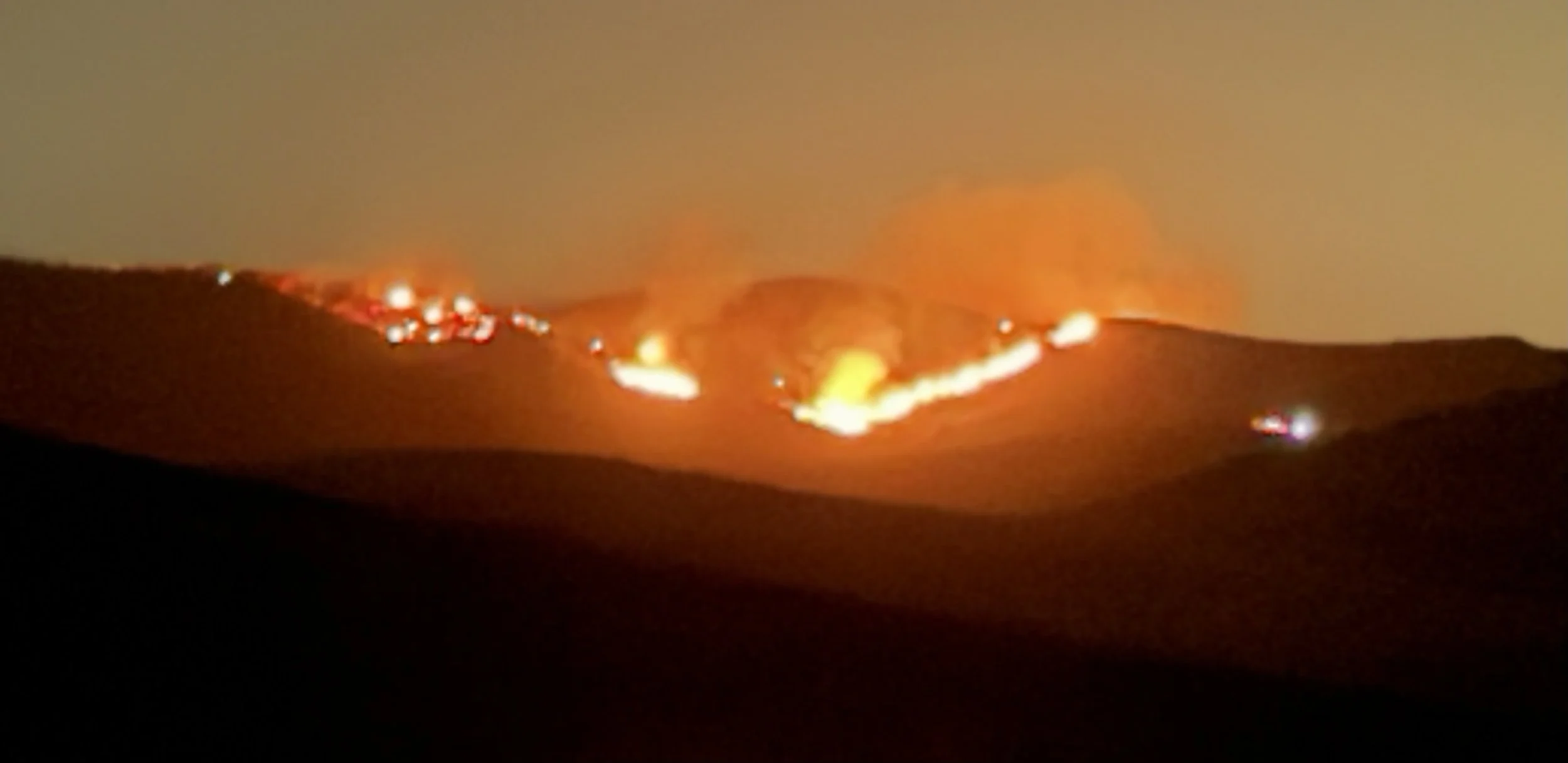
It turns out real wilderness firefighting isn’t actually frantic; instead, it's surprisingly disciplined and systematic. This past week, we watched a large wildfire from our back porch, burning in a canyon just two miles from our home. We had two concerns: would the wind shift and put our ranch in danger, and what damage was it doing to the horse trails my dad has built over the years?
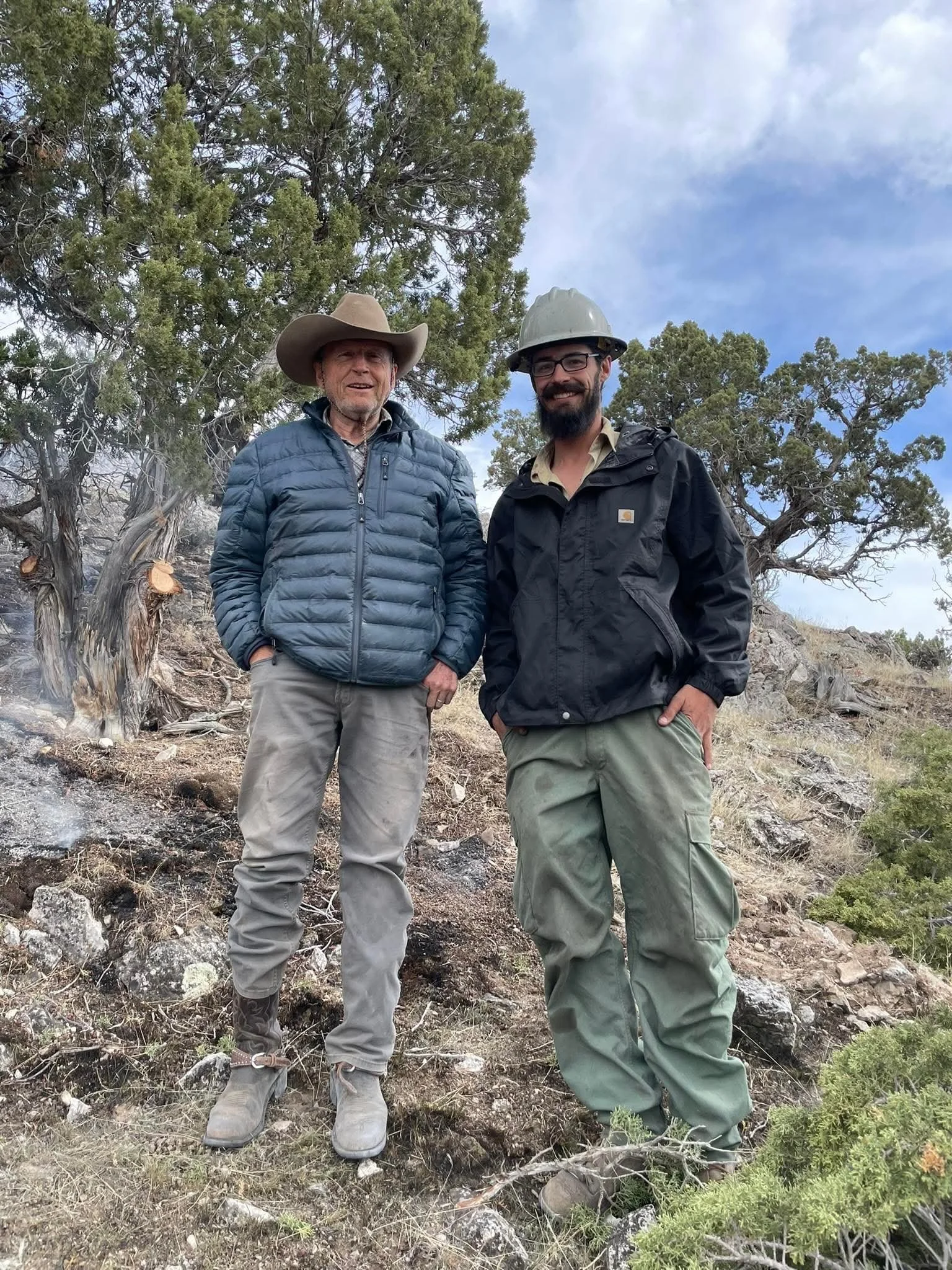
When the smoke started to clear, we rode our horses up to survey the damage. It was a sobering experience. There, we met Kurt, a state wildfire specialist. He shared three techniques for fighting fires that apply perfectly to the ones we each face. First, he identifies the fire’s boundaries and doesn’t allow it to spread. As leaders, we should establish boundaries by carving out time to deal with urgent issues without letting them consume all our energy — essentially creating “fire breaks” on our calendars to protect time for “deep work”. Second, he enlists volunteers. You can’t fight wildfires alone, and we shouldn’t try to solve every problem ourselves. Third, he makes sure the hot spots are completely out before moving on. If we don’t fully resolve issues, they can flare up again and threaten to engulf us.
